What happens when young people are invited to step outside the classroom and into a living learning environment?
What becomes possible when education is not only something we receive through books, screens and schedules, but also through the body, the senses, the seasons, the trees, the soil, the weather and the relationships around us?
The Way We Walk begins with this question.
The Way We Walk is a nature-connected education programme for secondary schools in Leiden. It brings together outdoor learning, reflection, creativity, citizenship, biology, sustainability and wellbeing in one experiential journey. At its heart is a simple but profound intention: to help young people reconnect with themselves, each other and the living world.
In a time when many young people feel pressure, disconnection and uncertainty about the future, we believe nature can offer more than a beautiful backdrop. Nature can become a teacher, a mirror and a compass.
Why nature-connected learning?
Young people today are growing up in a world that asks a lot of them. They are navigating academic pressure, social expectations, digital overload, climate concerns and questions about who they are and where they belong.
At the same time, many students spend much of their school life indoors, seated, cognitively engaged, but often disconnected from their bodies, their senses and the natural world around them.
The Way We Walk offers a different rhythm.
Through guided outdoor sessions, students are invited to slow down, observe, listen, move, reflect and create. They learn through direct experience. They notice patterns in nature, explore their own inner landscape, practise cooperation and begin to understand themselves as part of something larger.
This is not about adding “nature” as another subject to an already full curriculum. It is about recognising nature as a learning environment that can deepen existing themes within education: wellbeing, resilience, citizenship, sustainability, biology and personal development.
What students experience
During The Way We Walk, students take part in recurring outdoor gatherings. These sessions create a safe and consistent rhythm in which trust, curiosity and connection can grow.
They may begin in a circle, checking in with themselves and the group. They may explore a park, forest or schoolyard through their senses. They may be invited to meet a tree, follow a natural pattern, work with creative assignments, reflect on their place in the world or explore questions of responsibility, belonging and care.
Some exercises are quiet and reflective. Others are creative, embodied or collaborative. The programme gives space to different ways of learning, so that students who may not always thrive in traditional classroom settings can discover new ways of participating and expressing themselves.
Through these experiences, young people develop skills that are deeply relevant for their lives and futures: attention, empathy, self-awareness, resilience, cooperation, ecological awareness and a sense of responsibility for the world around them.
Nature, citizenship and sustainability
The Way We Walk connects naturally with themes such as citizenship and sustainability. When students spend time in nature, they do not only learn about ecosystems from a distance. They begin to experience relationship.
They notice that they are part of a wider living world. They begin to ask: How do I relate to this place? What does it mean to care for something beyond myself? How do my choices affect others, both human and more-than-human? What kind of future do I want to help shape?
These questions are central to meaningful citizenship education. They invite students to move beyond abstract ideas and into lived responsibility.
In this way, sustainability is not only approached as a problem to solve, but as a relationship to restore. Biology becomes more than knowledge about living systems; it becomes a doorway into wonder, respect and connection. Citizenship becomes not only about society, but also about belonging, participation and care.
Inspired by the wisdom of elephants
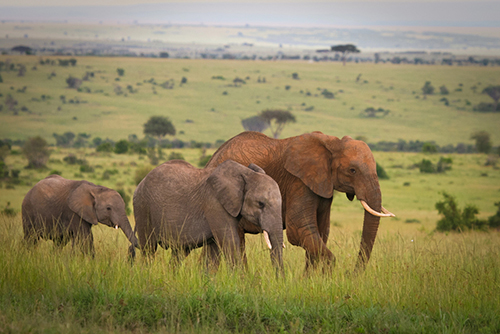
The title The Way We Walk is inspired by the wisdom of elephants.
In elephant herds, the older females often guide the way. They carry memory, experience and knowledge of the land. They remember routes, water sources and safe passages. Their wisdom supports the generations that follow.
This image speaks deeply to the vision of the programme.
How do we walk through the world? Who and what guides us? What wisdom do we inherit from those before us? And what paths are we creating for the generations after us?
The Way We Walk invites young people to explore these questions in a grounded and accessible way. It asks them not only to think about the future, but to feel their relationship with it.
For schools in Leiden and beyond
The Way We Walk has been developed for secondary schools that want to bring more nature-connected, experiential and meaningful learning into education.
For schools in Leiden, the programme offers a practical and inspiring way to strengthen student wellbeing, resilience, citizenship, sustainability and ecological awareness. It can connect with subjects such as biology, citizenship education, personal development, sustainability and creative learning.
Our aim is to support schools in making space for a different kind of education: one that does not separate young people from the living world, but helps them recognise that they are part of it.
Because when young people learn to listen to nature, they also learn to listen to themselves.
And when they begin to understand their place within the web of life, they may also begin to walk through the world with more care, courage and connection.
The Way We Walk is an invitation to step outside, slow down and rediscover nature as a compass for growth.